
Don’t Buy Temporary Heating
Lease it.
Save up to 50% on temporary heating costs when you lease unit heaters from RL Leasing.
THE PROBLEM
Temporary Heating Shouldn’t Feel Like Lighting Money on Fire
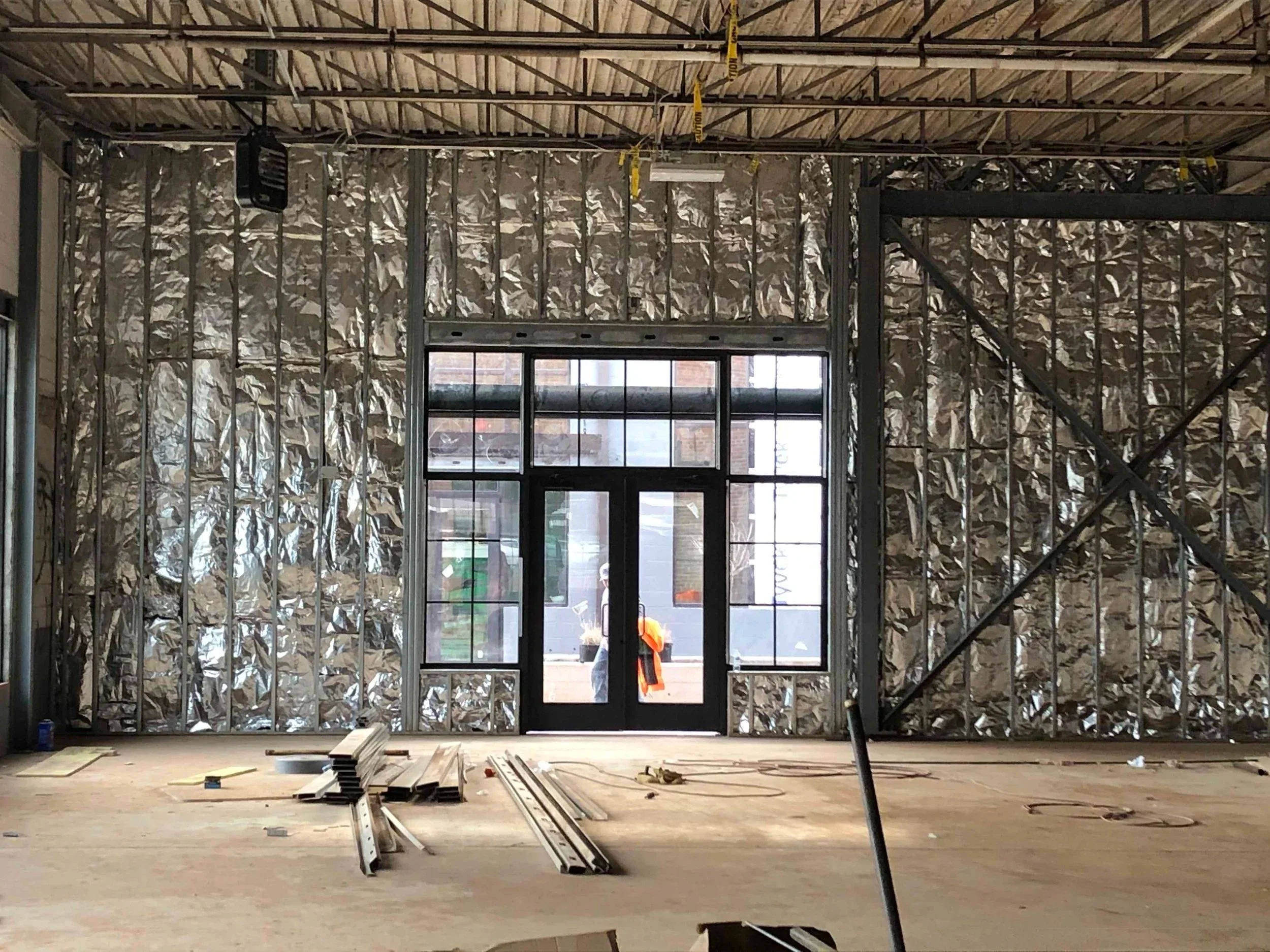
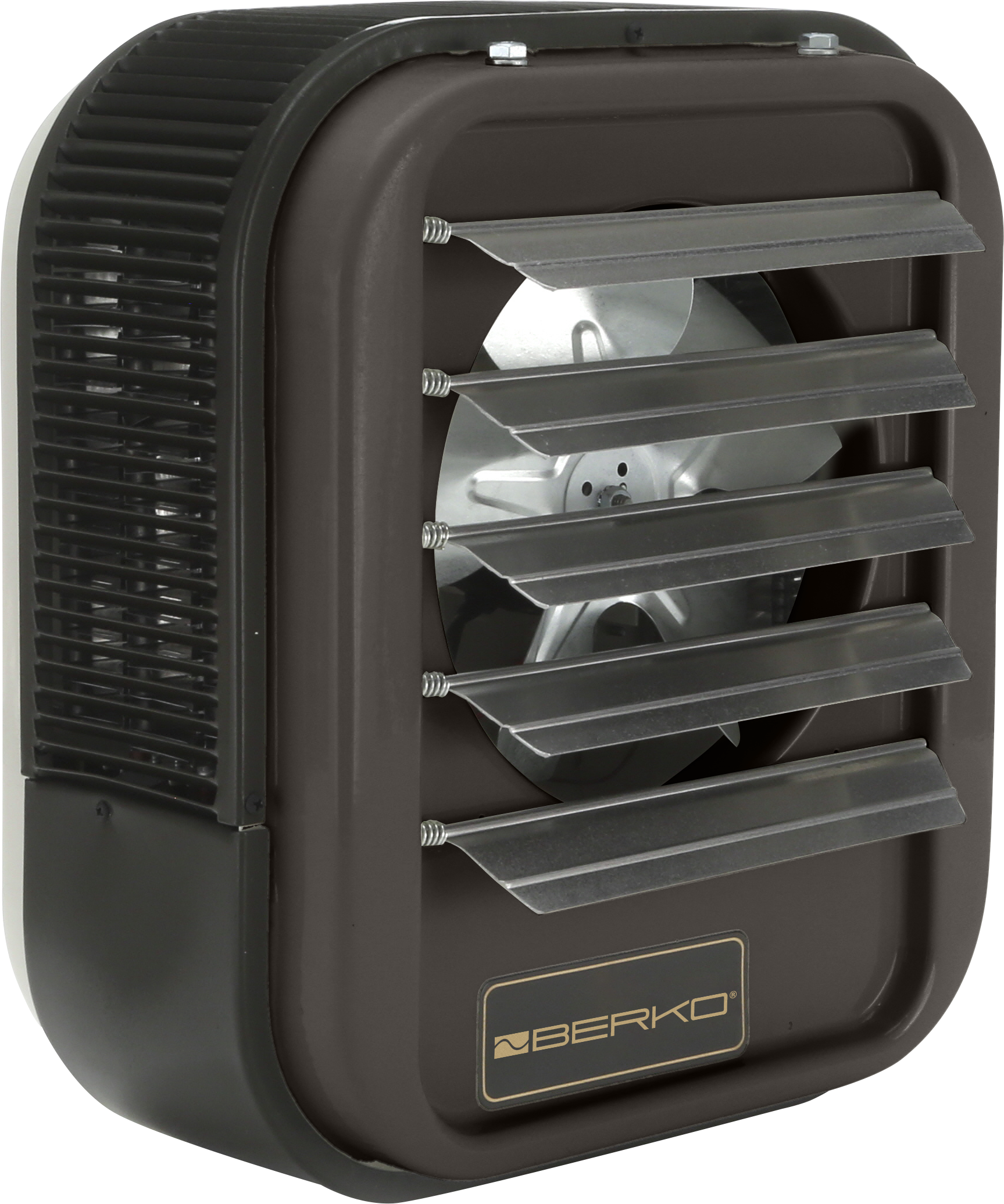
Temporary heating is required by building code between TCO and lease-up for most office, retail, and speculative development projects. With unit heaters costing over $1,000 each and engineers requiring one heater every 1,500 square feet, those costs add up fast.
Differences in phase, volts, and BTUs prevent unit heaters from being readily reused on your next project.
The result?
Thousands spent on equipment used for only a few months
Heaters tossed into dumpsters once the project wraps
Added hauling and disposal fees
Investors questioning unnecessary waste
Temporary solutions shouldn’t require permanent waste.
THE SOLUTION
A Smarter Way to Handle Temporary Heating
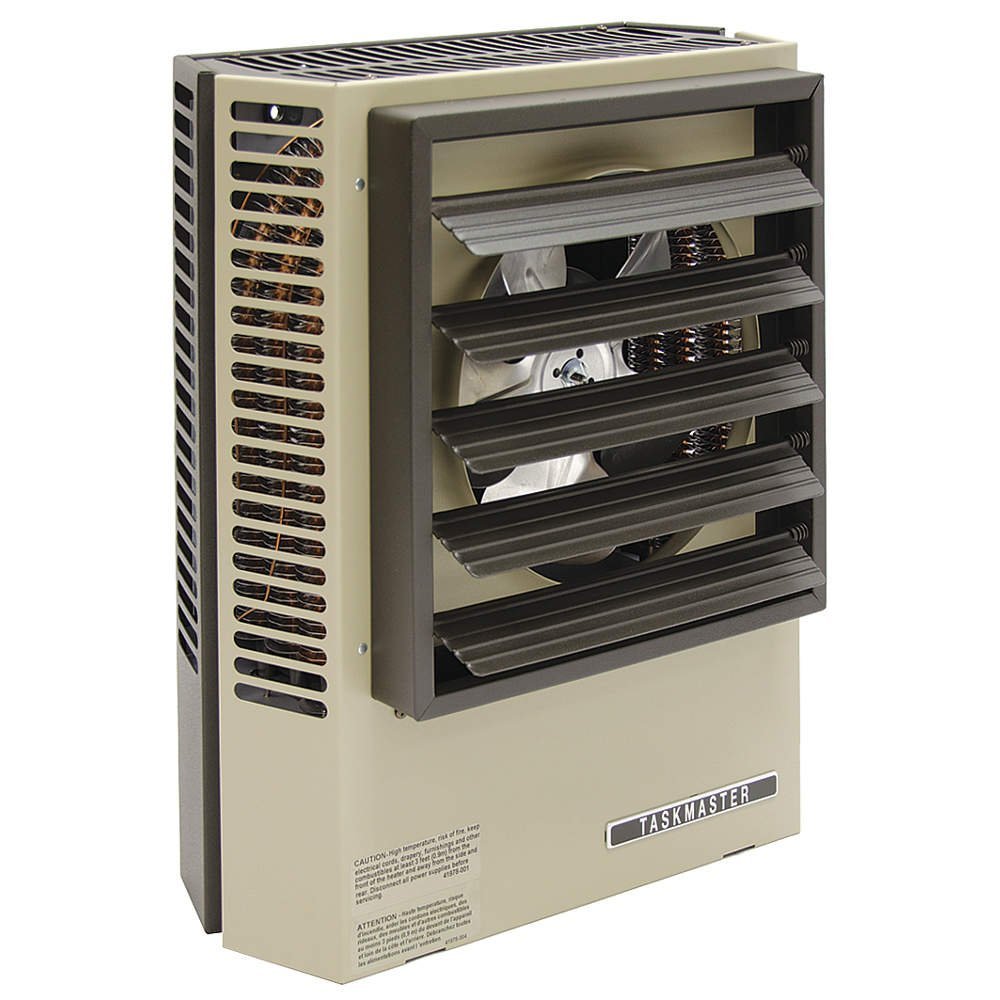
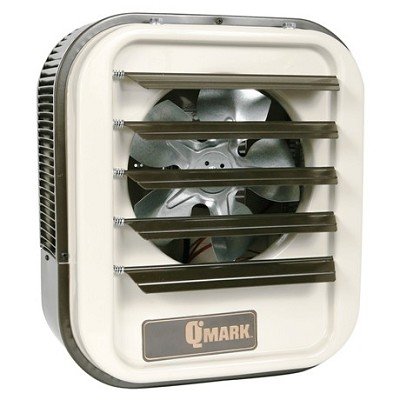
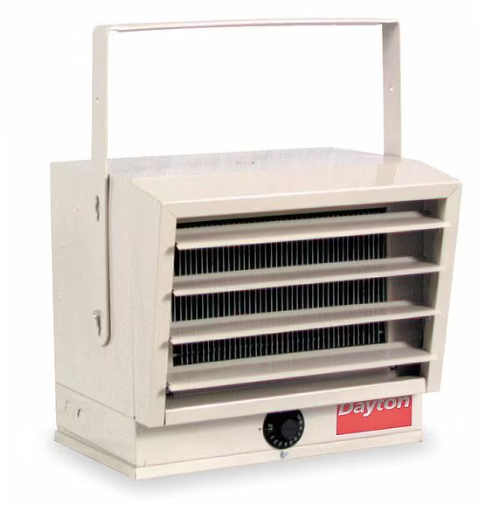
RL Leasing provides unit heaters on short term leases that meet your project’s needs. Instead of purchasing temporary heaters you’ll never use again, we provide the equipment only for the period you’re required to have it.
Nothing else about your job site changes:
Same installers
Same inspections
Same freeze protection between TCO and lease Up
Built by professionals with 12+ years of experience working alongside developers, contractors, and architects on commercial construction projects, RL Leasing is the partner you want.
HOW IT WORKS
The Simplist Value Engineering You Will Ever Do
1. Selection
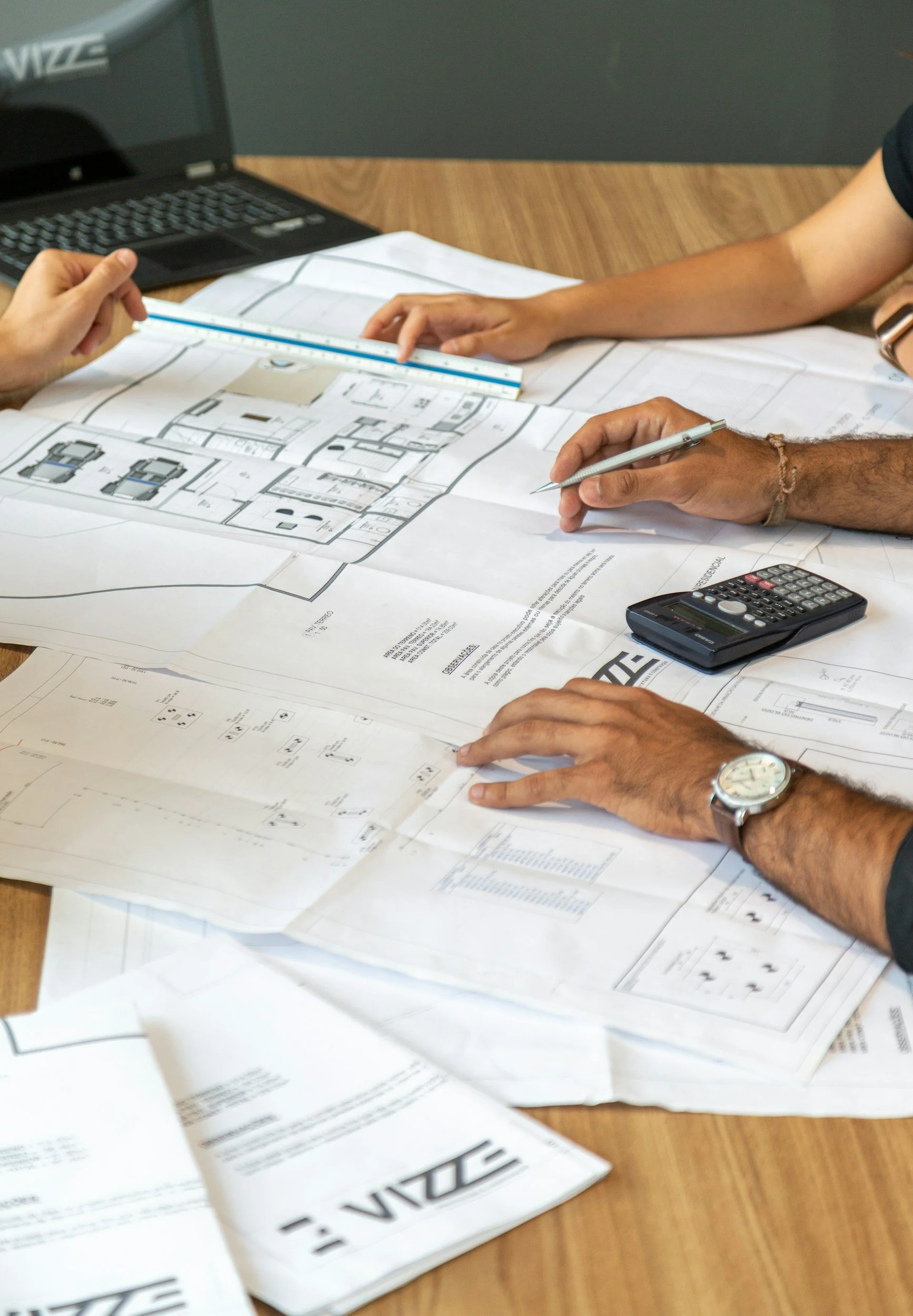
We identify the right unit heaters for your project and help you complete any necessary submittals.
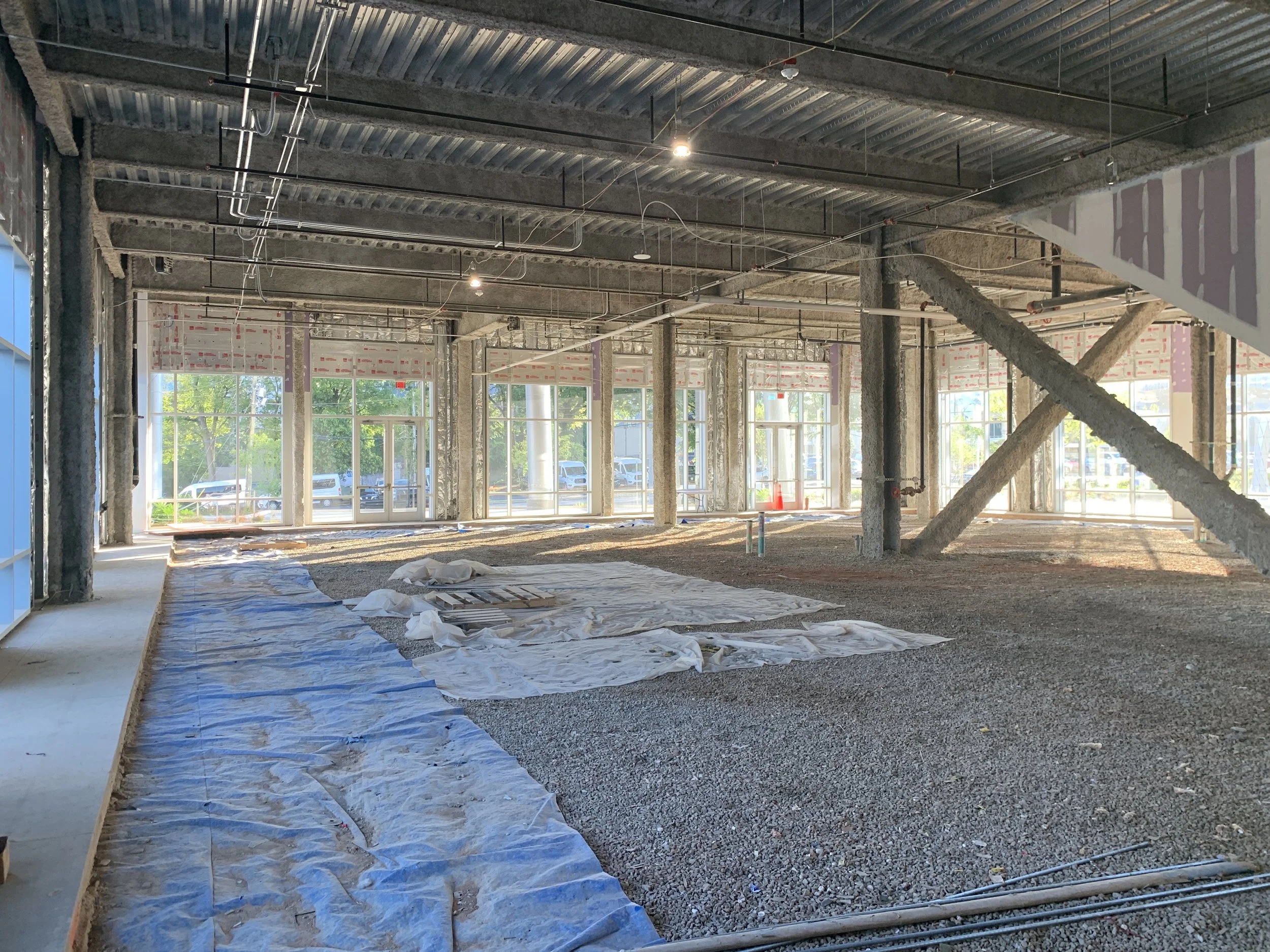
We deliver the heaters directly to your job site, coordinating drop off with appropriate site leaders.
Units are installed by your site team or mechanical contractor. RL Leasing can handle installation for an additional fee.
2. Delivery & Use
At the end of the lease term, we pick up the equipment. No disposal. No dumpsters. No Wasted Capital.
3. Pickup & Reuse
- Customer Testimonial -
“We were quoted $17,000 to purchase unit heaters for a commercial project. RL Leasing delivered the same solution for less than $4,000. The heaters performed flawlessly through a major ice storm. This was an easy decision and an even easier process. We will absolutely do this again. ”
— Recent Customer
THE STAKES
The Cost of Doing Nothing
When developers continue buying temporary heating equipment, they:
Pay 2× more than necessary
Incur excess dumpster and hauling fees
Throw away barely used equipment
Accept waste as “just part of the process”
One developer spent $60,000 on unit heaters that were all thrown away less than three months later.
There’s a better option.


What Success Looks Like
A cleaner, smarter approach to temporary heating, without changing how your job site operates.
A successful job is about more than affordability, it’s about experience.
Lower Costs from equipment and disposal fees
Reduced Construction Waste that you can stand behind
On Time, Reliable Delivery that keeps your project on schedule
Fast Responses from knowledgable professionals
Unit Heater Leasing FAQ
*
Unit Heater Leasing FAQ *
-
One electric unit heater typically covers approximately 1,200 square feet of space.
For example:
12,000 SF building → 10 heaters
20,000 SF retail strip → 16–17 heaters
Final quantities depend on ceiling height, insulation, climate zone, and mechanical design.
-
Most jurisdictions require buildings to maintain freeze protection (above 40°F) once domestic water or fire suppression systems are active.
If permanent HVAC systems are not yet operational, building officials may require temporary heat before issuing a Temporary Certificate of Occupancy (TCO).
-
Lease costs depend on duration and quantity, but developers typically save 50% or more compared to buying new unit heaters.
A 20,000 SF project that may cost over $20,000 to purchase heaters could cost approximately $3,000–$4,000 to lease.
-
A new electric unit heater typically costs $1,000–$1,500 per unit, before installation, supplier markup, taxes, hanging hardware, and thermostat controls.
Engineers typically specify one unit heater per 1,200 square feet. -
Developers typically save 50% or more by leasing instead of buying.
Example:
- 20,000 SF building
- 17 heaters required
- Purchase cost: ~$20,400+
- Lease cost: ~$4,000
- Savings: ~$16,000+ -
Speculative developments often receive TCO before tenant improvements are complete.
Permanent HVAC systems cannot operate effectively because:
- Tenant demising walls are not finalized
- Ceiling grids may not be installed
- Duct layouts are not determined
- Final mechanical loads are unknown
Unit heaters provide temporary freeze protection until full lease-up. -
Permanent HVAC systems are often not fully installed, not properly zoned, not commissioned, or not sized for final tenant layout.
Unit heaters are a flexible, short-term solution. -
Developer notifies contractor they will provide leased heaters.
Mechanical drawings are reviewed and inventory is reserved for the project.
Heaters are delivered to the site.
Construction team installs when needed and uninstalls at lease up.
RL Leasing picks up heaters when no longer needed.
Simple. No waste. No long-term storage.
-
Scheduled change. We get it.
Delivery dates can be adjusted with 72 hours’ notice.
After the initial term, leases can continue month-to-month.
In rare long-duration cases, units may be purchased at replacement cost.
-
Purchased unit heaters are often removed and thrown away, sold for scrap, or abandoned on site.
Leasing eliminates unnecessary landfill waste and dumpster fees. -
Yes. RL Leasing serves speculative retail, office, and mixed-use developments throughout:
- Charlotte, NC
- Winston-Salem, NC
- Greenville, SC
- Spartanburg, SC… and the surrounding Southeast markets.
-
- 6 unit heaters required
- Purchase quote: $17,000
- Lease cost: under $4,000
- Lease duration: less than 6 months
- Savings: over $13,000 -
Leasing reduces HVAC contract costs, improves developer returns, eliminates waste, maintains building code compliance, and provides schedule flexibility.
See How Much You Can Save on Your Next Project
If you’re planning a development project and need temporary heating, we’ll help you determine how much you can save. Get started today by sharing on your project here:
Ready to Learn More? Let’s talk:
Temporary Heating Savings Calculator
This estimate assumes 1 heater per 1,200 sq ft and a 6-month lease.